
Experiencing an earthquake or other natural disaster can be frightening, stressful, and exhausting. In the days and weeks afterwards, you may be dealing with damaged homes, disrupted routines, financial pressures, or concern for family, friends, and your community. You may also be working hard to help others recover.
If you’re feeling overwhelmed, anxious, frustrated, angry, exhausted, numb, or emotionally drained, these are all common and understandable reactions to an abnormal situation. Everyone responds differently to a disaster. There is no “right” way to feel, and recovery looks different for everyone. You may also notice physical reactions such as feeling shaky, tense, nauseous, having little appetite, struggling to concentrate, or finding it difficult to sleep. These are common responses to stress and trauma.
Although you may not be able to control what has happened, there are small things you can do each day to regain a sense of control, support your wellbeing, and care for those around you. Looking after yourself is not selfish; it helps you remain better able to support your loved ones and your community.
Practical Ways to Support Your Wellbeing
Acknowledge how you’re feeling: After a traumatic event, your brain naturally stays alert for danger. This can leave you feeling anxious, on edge, or overwhelmed. Rather than fighting your emotions, recognise them as normal responses to a difficult experience.
Take things one day at a time: Recovery doesn’t happen all at once. Focus on what needs to be done today or even in the next hour. Breaking challenges into smaller steps can make them feel more manageable.
Stay connected: Talk with trusted family members, friends, neighbours, or colleagues. Sharing your thoughts and feelings can help you process what has happened and remind you that you are not facing this alone.

Focus on what you can control: It’s natural to worry about many things after a disaster. Try making two lists: things you can control or influence and things you cannot control. Put your energy into the first list. Even small actions can help restore a sense of purpose and control.
Maintain a simple routine: When life feels uncertain, familiar routines can provide comfort and stability. As much as possible, try to:
– Get up and go to bed at similar times.
– Eat regular meals.
– Keep children to familiar routines where possible.
– Continue everyday activities when you are able.
Keep moving: Physical activity is one of the best ways to reduce stress and improve mood. Even a short walk,
stretching, or gentle exercise can make a difference.
Make time for small moments of enjoyment: Simple pleasures are still important during difficult times. Enjoying a warm drink, listening to music, reading, spending time outdoors, or connecting with loved ones can help replenish your emotional reserves.
Rest and prioritise sleep: Feeling tired after a disaster is normal. Good-quality sleep helps both your body and mind recover.
Some ways to improve sleep include:
– Avoid heavy meals just before bedtime.
– Keep regular bedtimes where possible.
– Make your bedroom cool, dark, and quiet.
– Avoid using your phone or other screens before bed.
Spend some time outside during daylight hours: If ongoing fatigue or poor sleep is affecting your work—particularly if you work in a safety-sensitive role—talk with your manager or supervisor.
Limit constant news and social media: Staying informed is important, but checking updates constantly can increase stress and anxiety. Consider limiting how often you watch the news or check social media.
Take regular breaks: If you’re involved in recovery work or supporting others, remember to take breaks throughout the day. Eat regular meals, stay hydrated, and encourage those around you to do the same.
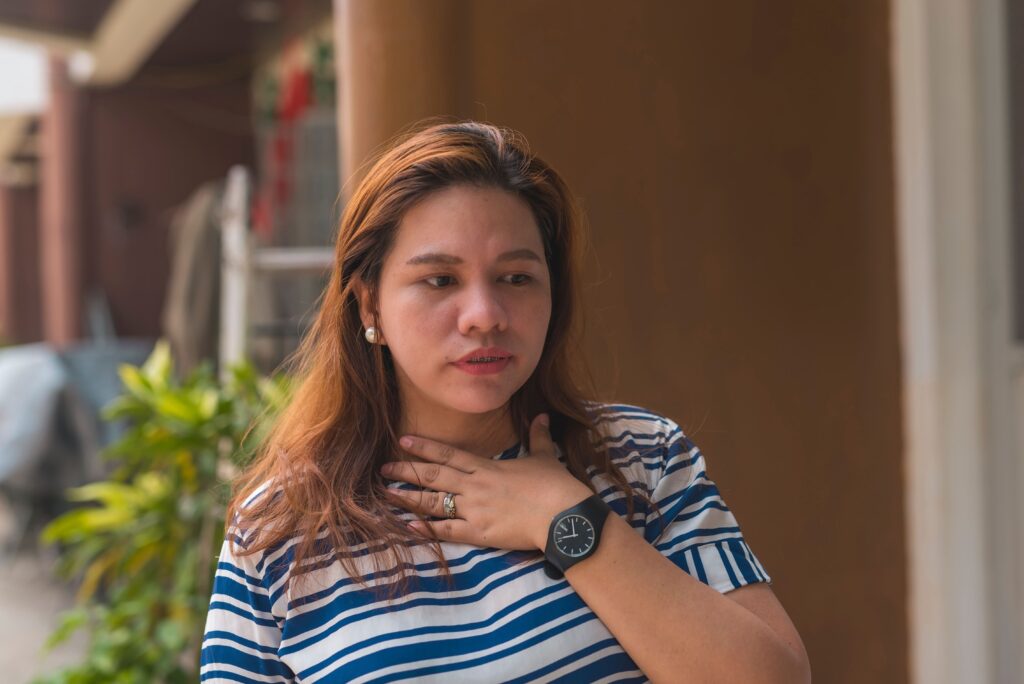
Aftershocks can be unsettling: Aftershocks are a normal part of the recovery process following a large earthquake. They can trigger renewed feelings of fear or anxiety, even after you’ve started to feel calmer. This is a common response. If an aftershock occurs, follow official safety advice, then give yourself a few moments to settle afterwards. Feeling anxious after an aftershock does not mean you’re “going backwards” in your recovery.
Keep hope: Recovery takes time. It may not feel like it today, but the intense emotions you’re experiencing now will not last forever. Be patient with yourself and recognise that healing happens gradually.
When to Seek Extra Support: It’s common to experience emotional ups and downs after a disaster. However, if these difficulties continue for several weeks or begin to interfere with daily life, additional support may be helpful.
Some signs to look out for include:
– Increased use of alcohol, drugs, gambling, or other unhealthy coping strategies.
– Frequent headaches, stomach aches, or other physical symptoms without a clear medical cause.
– Feeling hopeless, worthless, or overwhelmed most of the time.
– Ongoing sadness or anxiety that doesn’t improve.
– Significant changes in sleeping or eating.
– Persistent fatigue or low energy.
– Withdrawing from family, friends, or activities you usually enjoy.
Remember
Recovery is a process, not a race, and everyone recovers at their own pace. Be kind to yourself, accept help when it’s offered, and focus on one step at a time. There will likely be good days and difficult days. By looking after yourself, staying connected with others, and seeking support when you need it, you can help yourself and your loved ones move forward one step at a time. If you or someone you know is finding things difficult, reach out for support. Talking with your doctor, a mental health professional, or a trusted support service can make a real difference. You don’t have to go through this alone.
Resources
Kumamoto Official website
– https://www.city.kumamoto.jp.e.fm.hp.transer.com/default.html
– https://portal.bousai.pref.kumamoto.jp/?l=15-0%2C42-0%2C43-0%2C52-0%2C96-
0&ll=32.637061996573436%2C130.77438354492188&z=9&municipalityCd=430005
For support in other languages, Yorisoi hotline offers free phone and chat support in 10 languages, including Vietnamese and Tagalog. See https://www.since2011.net/yorisoi/n2/ for details.
Read more
Looking After Your Wellbeing After The Kumamoto Earthquake (Taiwanese)
Looking After Your Wellbeing After The Kumamoto Earthquake (Vietnamese Tiếng Việt)
Helping Children Cope After The Kumamoto Earthquake
Helping Children Cope After The Kumamoto Earthquake (Vietnamese Tiếng Việt)