
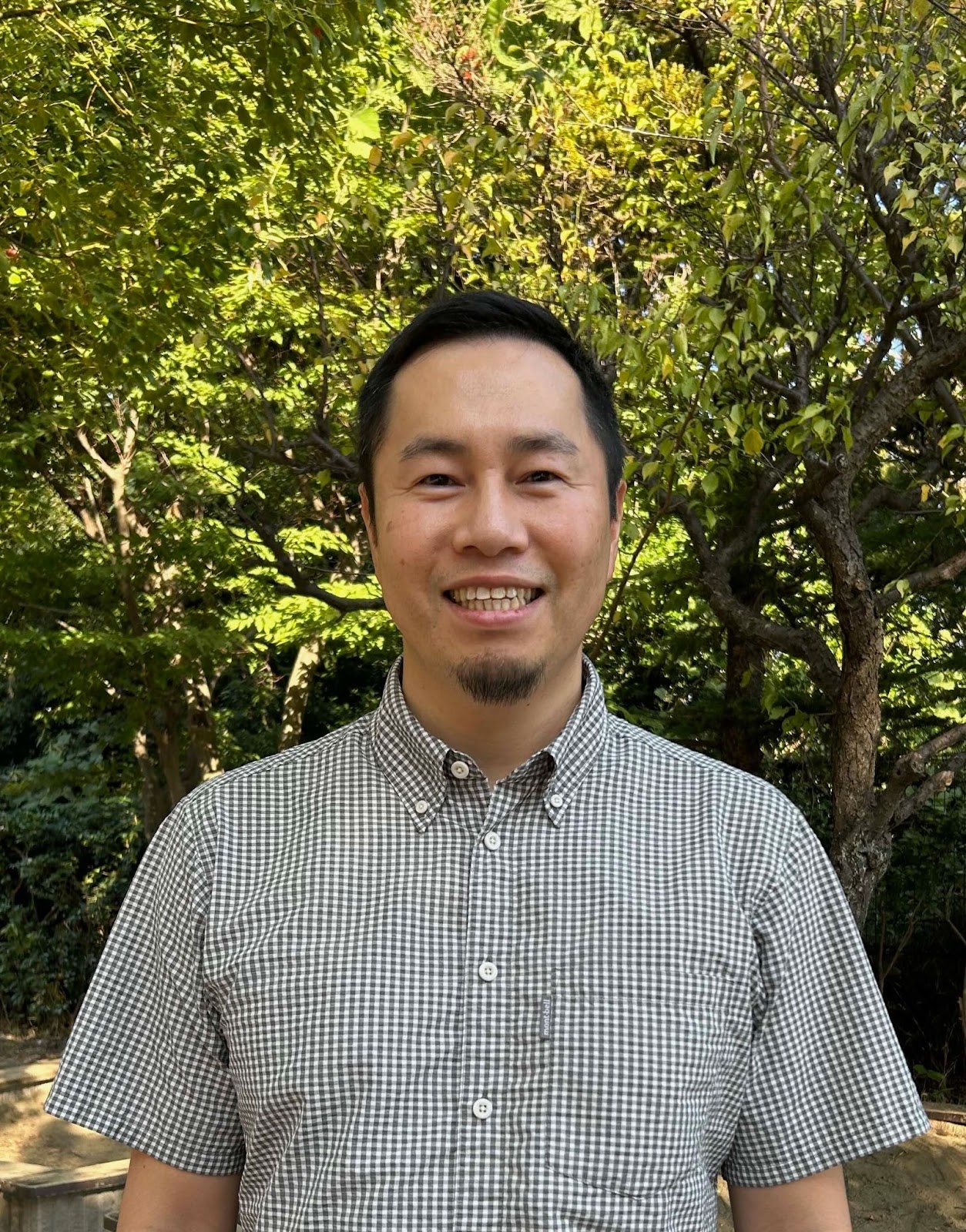
Dr. Tetsuo “Ted” Sato is a US-trained, bilingual psychotherapist certified in Japan. A native of Japan, he moved to the United States to pursue his passion for psychology. He earned his B.S. in psychology from Indiana University Bloomington, followed by a master’s degree in clinical psychology from California State University, Fullerton, and a PhD in counseling psychology from the University of Louisville.
He has received extensive training across a range of clinical settings, including elementary, middle school, and high schools, university counseling center, university medical centers, and community counseling centers. He completed his predoctoral internship at the University of Tennessee Health Science Center, where he worked with clients of all ages, from children to adults, presenting diverse mental health concerns. He then completed his postdoctoral fellowship at Nemours Children’s Hospital in Delaware, where he provided psychological services to toddlers, children, adolescents, and their families—primarily focusing on developmental disabilities, anxiety, and mood-related issues.
Upon returning to Japan, he served as an associate professor at a private university in Sapporo, where he taught psychology courses and provided clinical supervision to graduate students in a masters-level training program. He later joined the counseling center at Hokkaido University as a faculty psychologist, offering mental health support to international students. His work there has included addressing issues such as depression, anxiety, neurodevelopmental disorders, cultural adjustment, and family or interpersonal difficulties.
He views psychotherapy as a unique and confidential space where individuals can safely explore their personal concerns. He considers it a privilege to hear clients’ stories and to accompany them on their journey toward growth and healing. He approaches each therapeutic relationship with warmth, respect, and a deep appreciation for cultural context.
His therapeutic style is integrative and tailored to the specific needs of each client. In the initial sessions, he prioritizes careful listening to fully understand how clients perceive and interact with the world around them. His approach often incorporates cognitive-behavioral therapy (CBT), mindfulness-based techniques, and psychodynamic theory. For younger children, he primarily uses behavioral interventions and collaborates closely with parents to ensure that skills learned in therapy are supported and reinforced at home.
Outside of his professional work, he enjoys spending time outdoors with his family and looks forward to skiing during the winter months.